Search for local
Approved Contractors and other services
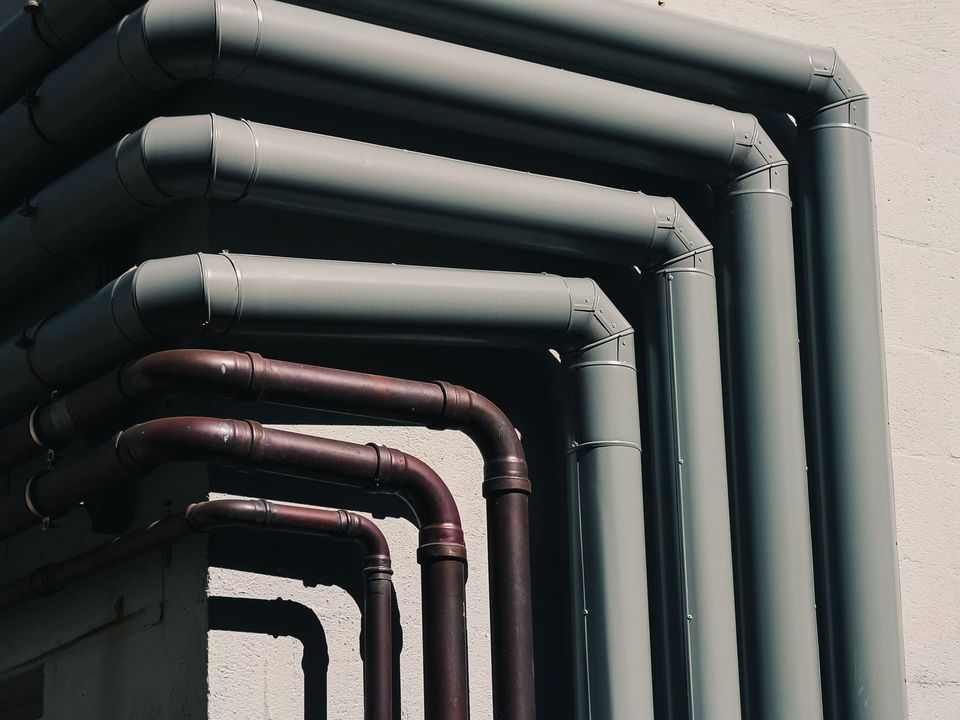
Modern plumbing systems can use a combination of plastic and copper pipes – but what is the difference? In this blog, we’ll compare the advantages and disadvantages of each and give examples of common usage around the home.
Copper pipes were introduced in the 1920s and are now a mainstay of household plumbing. Used for both water supply and central heating systems, these metal pipes come in different thicknesses depending on their use.
Copper rose to popularity due to its corrosion resistance and is considered a more traditional material, particularly for exposed pipework.
Here are some of the main advantages of copper pipes:
Durable and long-lasting
Resistant to UV exposure
Handle high temperatures well
Less likely to warp
Recyclable material
Often perceived as a premium or traditional option
The disadvantages of copper pipes are:
More expensive than plastic
Can corrode over time depending on conditions
Installation is more labour-intensive
Less flexible
Can be noisier due to expansion and contraction
Copper pipes are commonly used throughout domestic plumbing systems for hot and cold water supply. They connect to boilers, radiators, taps and showers, carrying water around the property. They often run through walls and under floors, and are used in central heating systems due to their ability to handle high temperatures.
Plastic pipes made from synthetic polymers are an alternative to copper and are used to transport hot and cold water throughout the home. They are also commonly found in wastewater and drainage plumbing.
Plastic pipes first appeared in the 1950s and became popular in the following decades due to their low cost, flexibility and ease of fitting.
The main advantages of plastic pipes are:
Lower cost
Faster installation
Flexible and lightweight
Resistant to corrosion
Quieter water flow
Fewer joints required
The disadvantages of plastic pipes include:
Can expand and contract more
Vulnerable to UV exposure
Can be perceived as less durable
Can be damaged more easily if improperly installed
Today, plastic pipes are commonly used in modern plumbing systems, particularly for hot and cold water supply. They are widely found in central heating setups, including underfloor heating, due to their flexibility.
Plastic is also standard for waste and drainage systems, especially in uPVC form. In newer homes and renovations, plastic pipework is often run through hidden spaces, like walls, floors, and ceilings, for quick installation.
Copper vs plastic pipes is a common consideration for homeowners. One of the main factors is appearance, and copper pipes are usually the choice for any area where plumbing is exposed, such as connections to radiators or pipework which cannot easily be hidden under floors or through walls.
Plastic pipes, on the other hand, are much cheaper and easier to install. Their corrosion resistance, flexibility and long lifespan make them a popular choice in modern homes. However, they can expand and contract more than copper and are vulnerable to UV exposure.
Copper is generally more durable and better suited to high temperatures, while plastic pipes are often quieter.
A qualified plumber will be able to advise you on the best type of pipes to suit the job at hand.
It doesn’t always have to be a choice between copper vs plastic pipes. In fact, many plumbing systems in UK homes use a combination of the two, with plastic used for hidden plumbing and copper for areas where pipework is exposed.
They are typically joined using specialist fittings, such as push-fit or compression connectors, which are designed to connect metal and plastic pipes safely.
Whether copper or plastic, it’s always important to ensure that all components used meet current UK water safety standards and regulations.
WaterSafe registered plumbers, fully qualified in water regulations, can advise you on the best materials for the job and ensure the pipework is installed safely and correctly.
If you need new or replacement pipework for your home, WaterSafe Register’s free online search facility can help you find a qualified and competent plumber for the job.
Click here to start your search: https://www.WaterSafe.org.uk/approved_contractors/
WaterSafe Register Approved Contractors' Scheme Operators




We use cookies to give you the best possible experience with WaterSafe Register. Some are essential to provide accurate emergency search results and ensure the website is secure. We also use cookies to help us understand how people use the site and to make improvements. Click "Accept All" to enable recommended settings or click "Manage cookies" to adjust your settings. For more details, see our Cookie Policy.