Search for local
Approved Contractors and other services
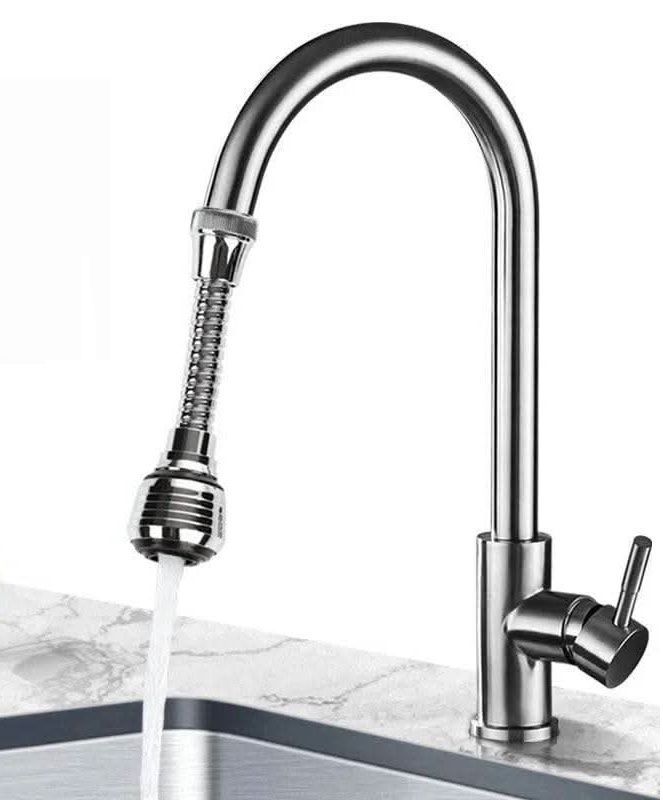
A noisy tap can be annoying, but more importantly, it’s likely to signal an underlying problem with your plumbing.
In this blog, we’ll talk you through some of the main causes of a noisy tap, how to identify the issue and the best course of action to keep your property’s plumbing system in top condition.
Four main types of noise can come from a tap or plumbing which isn’t operating correctly:
Screeching
Whistling
Banging
Vibration or rattling.
Each of these is likely to indicate a different problem, but should all be taken equally seriously. At the earliest sign of a noisy tap, you should investigate the issue and consult a WaterSafe-registered plumber.
Here are some of the main causes of a noisy tap.
If your water pressure is higher, it can come through the tap at speed, creating a whistling or screeching sound. Over time, this may put strain on the components of your plumbing system, leading to further problems down the line.
Internal components such as valves or fittings can loosen with regular use, causing vibration or rattling noises when water flows. If left unchecked, these will continue to loosen and could result in a leak or components failing.
Washers and cartridges regulate and seal water flow, but they can wear down over time. When this happens, they may cause high-pitched noises like whistling or squealing as water passes unevenly through the tap.
In many cases, noises originate from the wider plumbing system, not just the tap. Poorly secured or ageing pipes may result in banging, rattling or vibrating sounds, especially when water is turned on or off.
The aerator is the small fitting on the spout of your tap. It mixes air with the water to create a splash-free flow. Build-up of limescale or debris here can restrict water flow and create whistling or hissing sounds.
One of the most alarming sounds you can hear in a plumbing system is water hammer. This occurs when the flow of water is suddenly stopped or redirected, creating a shockwave that travels through the pipes. This can result in loud banging noises and may indicate underlying problems with other components (such as ball valves), pressure or unsecured pipe issues.
Before speaking to a qualified plumber, you should ask yourself the following questions.
Does the sound happen when turning on or off?
Is the noise from one tap or multiple taps?
Does it happen with hot water, cold water or both?
Does the sound occur elsewhere in the house?
Are there visible leaks or reduced flow?
When does the sound occur?
The answers to these questions will help your plumber to understand the extent of the problem and the likely cause. It is important not to try to fix the issue yourself, as this could have both safety and insurance implications - such as causing a leak or contamination. There are, however, some temporary steps you can take for noisy taps.
Below is some general guidance if you have a noisy tap. These are not a long-term solution, but the best advice to avoid making the problem worse before it is fixed by a qualified plumber.
Turn the tap off gently rather than abruptly
Avoid using the affected tap excessively
Monitor for leaks or reduced water pressure.
You should avoid:
Tightening parts
Removing aerators
Isolating the water supply
Replacing washers
Bleeding pipes.
A noisy tap is not only an irritation - it is likely to represent a problem with your plumbing system. Whether whistling sounds or banging pipes, it’s important to address the problem as soon as possible. Observing the situation will give your WaterSafe-registered plumber a clear idea of the problem before they fix it in a safe and compliant manner.
If you have a noisy tap, banging pipes or worse, the WaterSafe Register’s free online search facility can help you find competent and qualified plumbers, fast.
Click here to find your local registered plumber https://www.WaterSafe.org.uk/approved_contractors/
WaterSafe Register Approved Contractors' Scheme Operators



We use cookies to give you the best possible experience with WaterSafe Register. Some are essential to provide accurate emergency search results and ensure the website is secure. We also use cookies to help us understand how people use the site and to make improvements. Click "Accept All" to enable recommended settings or click "Manage cookies" to adjust your settings. For more details, see our Cookie Policy.