Search for local
Approved Contractors and other services
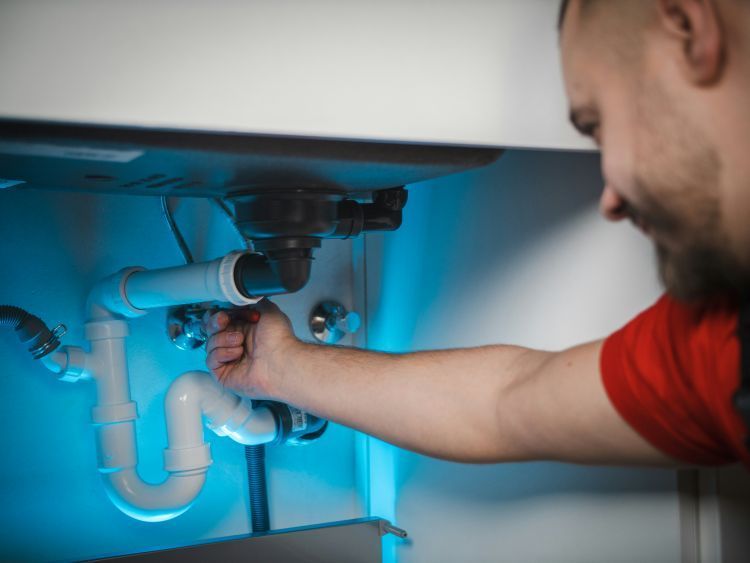
A leak under your sink is a frustrating but altogether common experience.
Even a very small or hidden leak can lead to water damage, rotting and mould. It can also waste water unnecessarily and increase your water bills, so it’s important to get the problem fixed as a matter of urgency.
The good news is that most leaks under sinks can be fixed easily with the help of a competent and qualified plumber.
Assessing the severity of the leak is the first step in resolving the issue. It’s important to inspect the area under your sink to try to understand:
Where the leak is coming from
If it is actively dripping
If there is flooding
Whether the leak has caused mould to appear
If there is a damp smell.
Write down this information and have it to hand. You may also want to take photos for reference.
If the leak is causing damage, you should turn off your water supply using your stop tap. This is often found under the sink but can also be found in a cupboard, utility room, garage or elsewhere. Otherwise, try to catch the water in a bucket or similar to use on house plants or in the garden.
The next step is to contact a qualified plumber as soon as you can. Even a small leak can lead to water damage and more problems further down the line.
Using unqualified tradespeople runs the risk of making the leak worse and potentially causing even more disruption, whether through further water damage, supply contamination, problems with the existing plumbing or even structural issues.
WaterSafe-registered plumbers not only have the skills and experience needed to fix the problem, but they are also qualified in the water regulations. This means they use products, materials and fittings tested for compatibility with drinking water, helping to ensure water supplies are safe from contamination and waste.
If it’s not clear where the leak is coming from, clear the area around the leak and use a torch to carefully inspect the pipework. Check for water stains and a damp smell for signs of an ongoing issue.
Clearly look for drips or a puddle of water and inspect the area directly above. Feel along each plumbing joint with dry fingers to see if you can identify the problem area.
When you’ve found the problem, it’s important not to try to fix it yourself. Focus on getting as much detail as possible (including photos), so when you contact a WaterSafe-registered plumber they will have a better understanding of the problem that needs fixing.
Leaks under a sink are often caused by worn parts, such as washers, loose fittings or seals that have perished over time. Plastic waste pipes can crack or slip if they have been poorly aligned, whilst some pipework may leak if knocked when items are stored underneath. High water pressure or repeated temperature changes can also cause joints to slowly loosen, leading to intermittent drips that are easy to miss.
The cost depends on the cause. Tightening a joint or replacing a washer is often inexpensive, while replacing pipework will cost more. We always recommend getting three quotes where possible.
A leak under your sink will only get worse if left unattended and can cause much bigger problems.
WaterSafe-registered plumbers, with the right qualifications and tools for the job, are the safest and easiest way to remedy the problem.
If you have a plumbing issue, the WaterSafe Register’s free online search facility can help you find competent and qualified plumbers, fast.
WaterSafe Register Approved Contractors' Scheme Operators




We use cookies to give you the best possible experience with WaterSafe Register. Some are essential to provide accurate emergency search results and ensure the website is secure. We also use cookies to help us understand how people use the site and to make improvements. Click "Accept All" to enable recommended settings or click "Manage cookies" to adjust your settings. For more details, see our Cookie Policy.