Search for local
Approved Contractors and other services
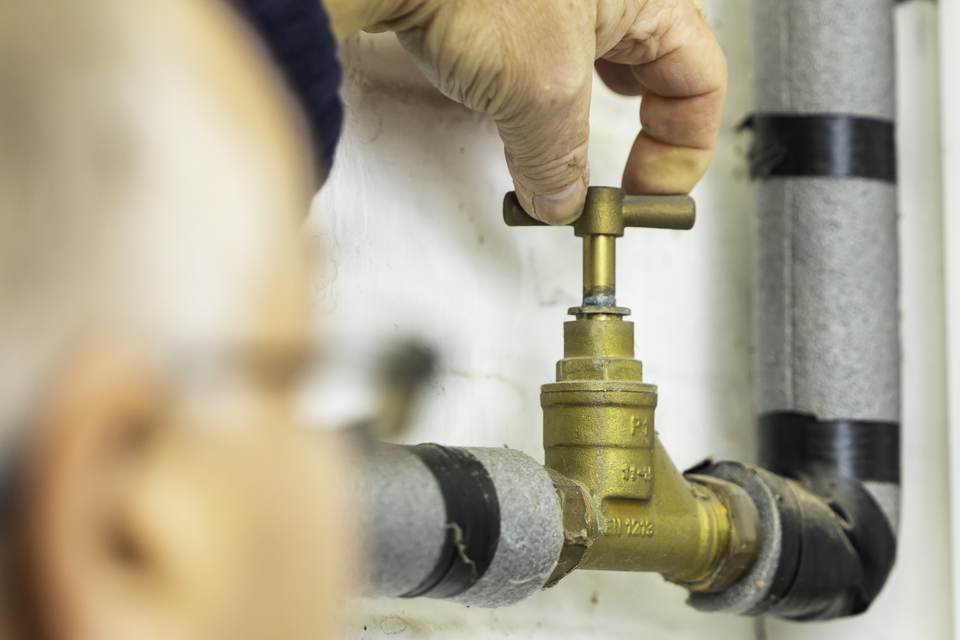
The internal stop tap is the first line of defence against plumbing emergencies. By turning off the mains water supply, households can help prevent property damage and costly repairs if a pipe leaks or bursts.
A survey of 2,000 homeowners revealed 14 per cent of UK residents don’t know where their stop tap is.
A separate survey of business owners found 14 per cent had used a plumber in the last year to fix a faulty stop tap.
Stop taps, also known as stop cocks or stop valves, are often found under the kitchen sink, or in downstairs bathrooms, kitchen cupboards, garages, cellars and under the stairs.
WaterSafe advises people to make sure they can operate their property’s stop tap every six months by gently turning it off and back on again.
Jonathan Samuel, Managing Director of WaterSafe, explains, “Testing your stop tap is something we should all do regularly, around every six months. It’s easy to forget when you last did it, so the clocks changing can serve as a handy reminder.”
“We’re urging households to check their stop taps on Sunday 29 March when many of us will be changing clocks around our home – and to test them again when we turn the clocks back an hour in the autumn.”
“Doing this regularly will provide reassurance that you could turn your water supply off in an emergency.”
Lever-type valves should be left fully open, while screw-down stop taps should be turned back half a turn after fully opening, to prevent seizing.
WaterSafe Register Approved Contractors' Scheme Operators




We use cookies to give you the best possible experience with WaterSafe Register. Some are essential to provide accurate emergency search results and ensure the website is secure. We also use cookies to help us understand how people use the site and to make improvements. Click "Accept All" to enable recommended settings or click "Manage cookies" to adjust your settings. For more details, see our Cookie Policy.