Search for local
Approved Contractors and other services
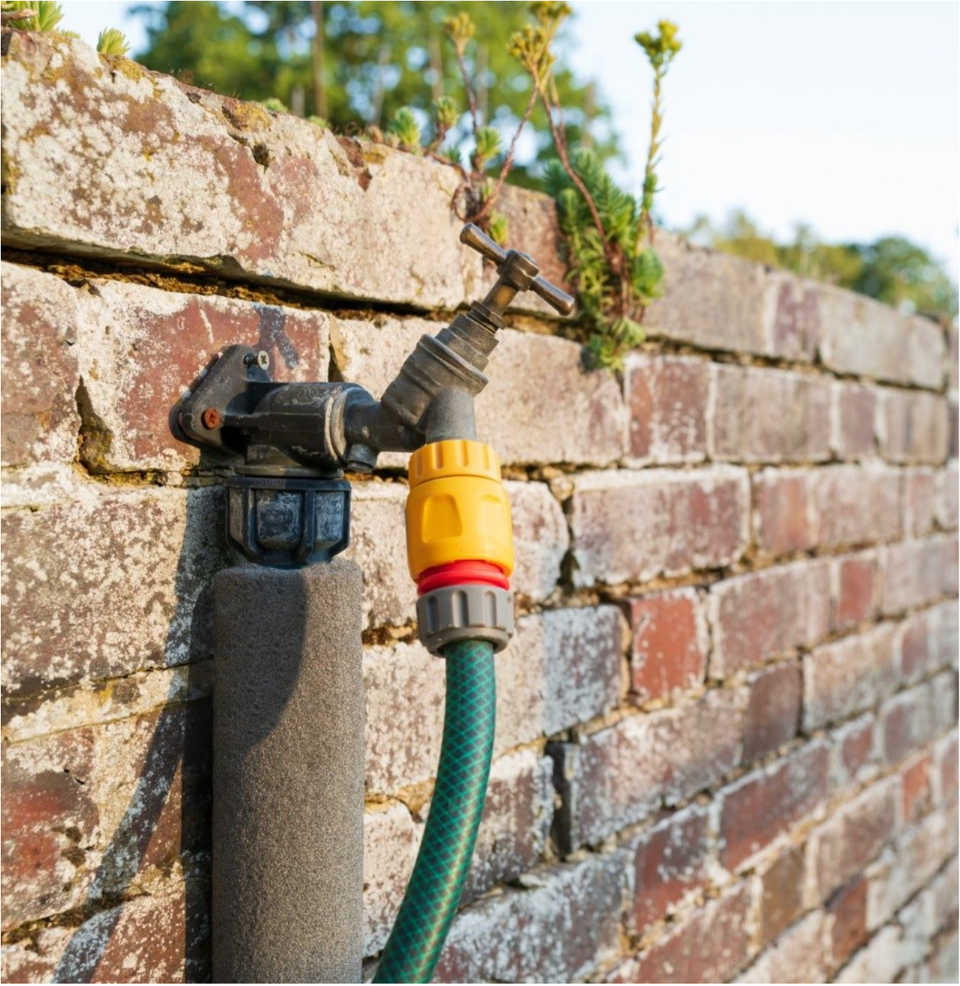
If the end of a hosepipe is left underwater in a paddling pool, pond or watering can, dirty water can be drawn back into the home's internal plumbing - a process known as backflow. Warm water left sitting in a hose over a hot week can also allow Legionella bacteria to build up, which can cause Legionnaire's Disease if contaminated water droplets or mist are inhaled. The risk increases significantly during prolonged heatwaves, when garden hoses can reach high temperatures in direct sunlight.
According to the Drinking Water Inspectorate, more than 99% of drinking water leaving water company treatment works meets strict legal safety standards - but more than 31% of reported water quality events in homes are linked to poor plumbing, such as missing or faulty backflow protection.
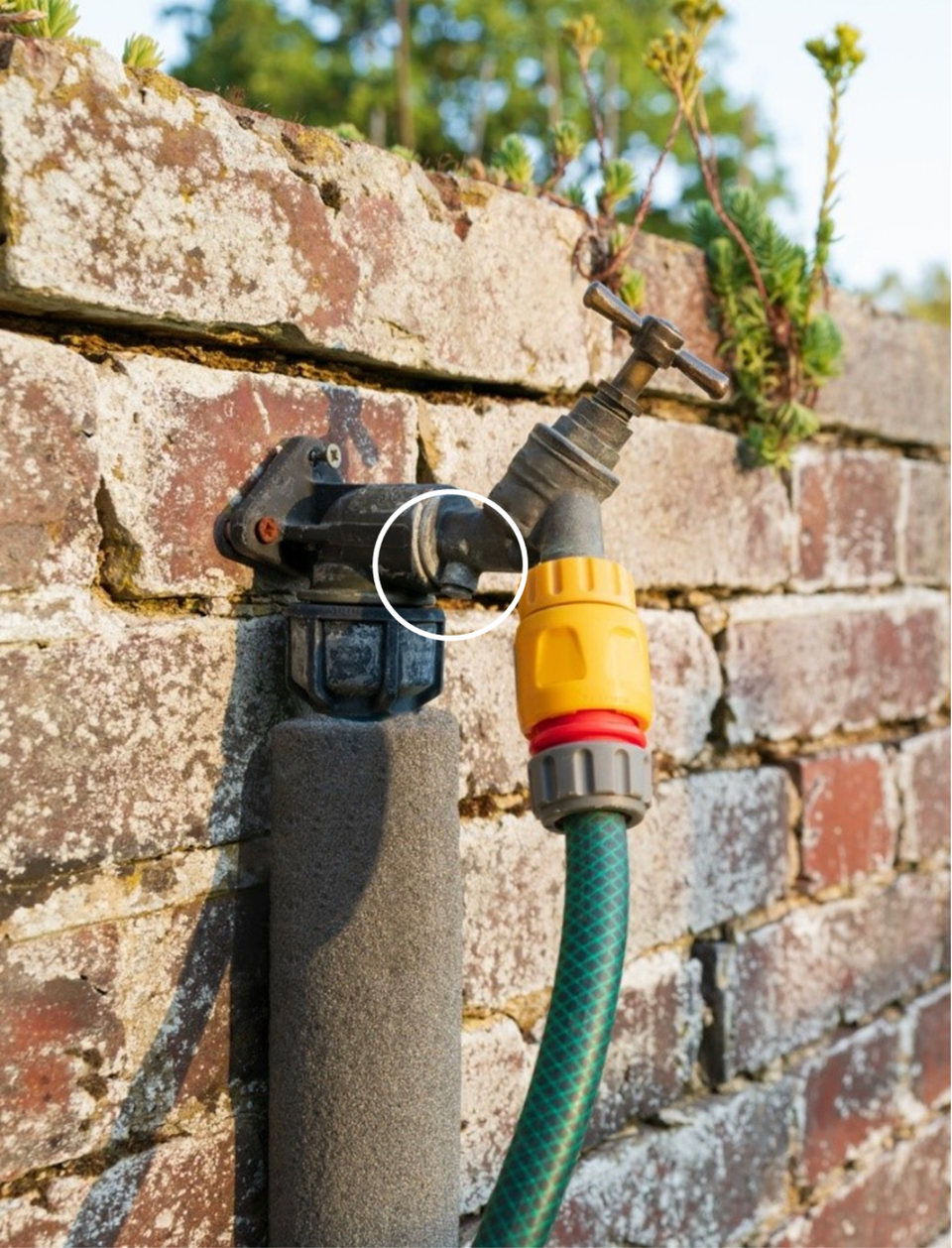
WaterSafe Register is urging households to fit a simple safety device called a double-check valve to every outside tap and to follow a few easy habits when using water outdoors during the heatwave.
Don't submerge the end of the hose in water, such as a pond, paddling pool, bucket or watering can
Keep a visible gap between the end of the hose and the water surface
Disconnect the hose from the tap and store it in a cool, dry place when not in use
Run it briefly without an attachment before each use, until the water feels cool - this is especially important after a hot day
Fit a trigger nozzle so it isn't accidentally left running unattended
Fit a double-check valve to the tap and replace it every 10 years
Better still, use a bucket or watering can instead, where possible - and help save water during what is also set to be a very dry spell
Jonathan Samuel, Director of WaterSafe Register, said: "We are fortunate in the UK to have extremely high-quality drinking water, but it's easy to introduce bacteria if our plumbing is in poor condition or we're not mindful of the potential dangers.”
"During a heatwave like this one - with temperatures breaking records and hoses sitting in direct sun for days on end - the risk from legionella bacteria is real. We always suggest using a bucket or watering can where possible.”
"If you do use a hosepipe, make sure your tap has a double-check valve and follow important safety precautions to help avoid the risk of contamination and potential illness.”
"If you're not sure your tap has the right protection, ask a WaterSafe-registered plumber to check it for you."
To find a WaterSafe-registered plumber click here
WaterSafe Register Approved Contractors' Scheme Operators



We use cookies to give you the best possible experience with WaterSafe Register. Some are essential to provide accurate emergency search results and ensure the website is secure. We also use cookies to help us understand how people use the site and to make improvements. Click "Accept All" to enable recommended settings or click "Manage cookies" to adjust your settings. For more details, see our Cookie Policy.